
As a homeowner in Texas or Florida, you understand the relentless power of the sun. In Texas, it’s the searing, dry heat that bakes your roof all summer long. In Florida, it’s the intense sun combined with stifling humidity. While traditional insulation is essential, there’s another powerful weapon in the fight for home efficiency and comfort: radiant barrier insulation.
If you’ve ever gotten into a car that’s been sitting in the sun, you’ve felt radiant heat. The air inside might be hot, but the steering wheel and seats are scorching because they’ve absorbed radiant energy. Your attic works the same way. A radiant barrier is a specialized type of insulation designed specifically to reflect this radiant heat, preventing it from ever entering your living space.
In this guide, we’ll break down exactly how radiant barriers work, why they are uniquely suited for homes in the Sun Belt, and how they can work in tandem with your existing insulation to slash your energy bills and transform your home’s comfort.
What is Radiant Heat and How Does a Radiant Barrier Work?
To understand the value of a radiant barrier, you first need to understand radiant heat. Unlike conductive heat (touching a hot pan) or convective heat (hot air rising), radiant heat travels in a straight line through the air and heats any solid surface it encounters. On a sunny day, your roof shingles can easily reach 150°F or more. Those shingles then become a giant radiator, emitting intense radiant heat downward into your attic.
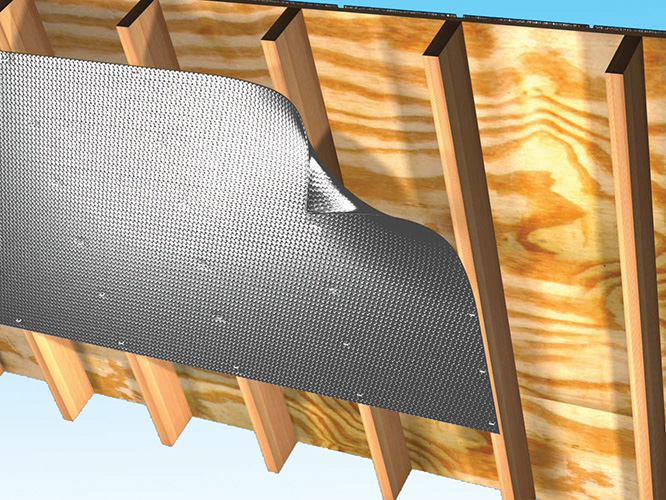
This is where a radiant barrier comes in. Installed in your attic, typically on the underside of the roof rafters, it consists of a highly reflective material, usually aluminum foil, applied to one or both sides of a substrate. This reflective surface works like a mirror for heat, reflecting up to 95% of the radiant heat back toward the roof, preventing your attic from becoming a super-heated environment.
Key Distinction: A radiant barrier is not a replacement for traditional bulk insulation (like blown-in cellulose or fiberglass batts). Think of it this way:
- Traditional Insulation: Resists conductive heat flow. It slows down the transfer of heat that is already in the attic air from moving into your home.
- Radiant Barrier: Blocks radiant heat. It prevents the sun’s radiant energy from heating up the attic air and the structure itself in the first place.
They are a powerful team, not competitors.
The Tangible Benefits of Installing a Radiant Barrier
The science is clear, but what does it mean for you as a homeowner? The benefits are substantial and directly impact your wallet and your comfort.
1. Dramatic Reduction in Cooling Costs
This is the most significant benefit. By reducing the attic temperature by up to 30°F, your air conditioner doesn’t have to work nearly as hard to maintain your desired indoor temperature. The U.S. Department of Energy states that in sun-filled climates, a radiant barrier can reduce cooling costs by 5% to 10%. In regions like Texas and Florida, where air conditioning can account for over 50% of your summer electric bill, this translates to hundreds of dollars in annual savings.
2. Enhanced Home Comfort Throughout Your House
A cooler attic means the rooms directly below it will be noticeably more comfortable. You’ll experience fewer hot spots, and your AC will maintain a consistent temperature without constant cycling. This is especially noticeable in two-story homes where the upper floor often feels like a sauna in the summer.
3. Reduced Strain on Your HVAC System
Your air conditioner is designed to handle the heat, but months of non-stop, extreme operation during a Texas summer or Florida heatwave can take a toll. By lowering the ambient heat in the attic, a radiant barrier reduces the workload on your AC unit. This can lead to fewer repairs, a longer lifespan for your expensive HVAC equipment, and a lower chance of a catastrophic breakdown on the hottest day of the year.
4. Improved Effectiveness of Your Ductwork
If your air ducts are located in the attic—as they are in most homes—they are sitting in an incredibly hostile environment. A 150°F attic can significantly heat the air moving through those ducts, forcing your AC to work harder to deliver cool air. A radiant barrier helps keep the ductwork cooler, improving the overall efficiency of your entire HVAC system.
Is a Radiant Barrier Right for Your Home? Key Considerations
Radiant barriers are exceptionally effective in hot, sunny climates, making them an almost perfect fit for Texas and Florida. However, their effectiveness depends on a few factors:
- Climate is King: They provide the most benefit in climates where cooling costs are a primary concern. They offer minimal heating benefits in winter, making them ideal for the long, hot summers we experience.
- Attic Space and Ventilation: A radiant barrier works best in a well-ventilated attic. Proper soffit and ridge ventilation allows hot air to escape, while the radiant barrier reflects the heat, creating a powerful cooling effect.
- Existing Insulation: A radiant barrier complements your existing attic floor insulation. If your traditional insulation is old, thin, or settled, the best approach is often to combine a new radiant barrier with a top-up of blown-in insulation for a comprehensive energy solution.
The Professional Installation Process: What to Expect
While DIY radiant barrier kits exist, a professional installation is crucial for performance, safety, and longevity. Here’s how the professional process works:
- Assessment and Preparation: A certified technician will inspect your attic to ensure it’s a good candidate. They will check for adequate ventilation, the condition of existing insulation, and any potential issues like pest infestations or roof leaks. All wiring in the attic is also checked to ensure it is in good condition.
- The Installation Method: The most effective method is to staple the radiant barrier material to the underside of the roof rafters. This creates an air gap between the barrier and the roof decking, which is essential for the reflective properties to work optimally. The material is carefully fitted between each rafter, creating a continuous reflective surface across the entire underside of your roof.
- Attention to Detail: Professionals ensure the material does not block any soffit vents, which are critical for maintaining proper airflow. They also take care around lights, attic fans, and other fixtures to maintain safety and effectiveness.
- Clean-Up and Final Inspection: Once installed, the crew will clean up any debris and perform a final walkthrough to ensure the installation meets the highest standards and your attic is left in better condition than they found it.
Addressing Common Questions and Myths
Myth: Radiant barriers are just a layer of foil and don’t work.
Fact: While simple in concept, the technology is backed by extensive research from organizations like the U.S. Department of Energy and the Florida Solar Energy Center. The reflective properties of aluminum are undeniable, and when installed correctly with an air gap, the reduction in radiant heat transfer is scientifically proven and immediately measurable.
Myth: They will void my roof’s warranty.
Fact: A professionally installed radiant barrier that does not contact the roof deck (installed on the rafters) will not void a roof warranty. Reputable installers are trained in methods that comply with building codes and manufacturer requirements.
Question: How long does a radiant barrier last?
Answer: When professionally installed in a clean, dry attic, a radiant barrier is a permanent upgrade. The materials are non-toxic, non-corrosive, and will not degrade over time, providing a lifetime of energy savings.
A Tailored Solution for Texas and Florida Climates
While both states benefit greatly, the specific advantages shine in slightly different ways:
For Texas Homes (Dallas, Fort Worth, Plano, and surrounding areas):
The primary enemy in Texas is intense, direct solar radiation. The sun bakes dark roof shingles all day long, creating a massive amount of radiant heat. A radiant barrier is your first line of defense, reflecting this assault before it can heat up your attic and thermal insulation. For Texas homeowners, this is the most direct way to combat high attic temperatures and protect your home from the top down.
For Florida Homes (South Florida, Broward, and Palm Beach areas):
In Florida, the sun is just as intense, but the high humidity adds another layer of complexity. A cooler attic thanks to a radiant barrier helps reduce the thermal load that drives moisture infiltration and can contribute to mold growth. By keeping the attic and the ductwork within it cooler, you also reduce the condensation potential, contributing to a healthier overall home environment alongside the significant energy savings.
The Smart Investment: Cost vs. Value
The cost of a professionally installed radiant barrier is an investment in your home’s long-term efficiency. While the upfront cost varies based on the size and complexity of your attic, it is one of the most cost-effective energy upgrades available for sunny climates. The payback period is often surprisingly short, thanks to the immediate and sustained reduction in your cooling costs. Furthermore, it adds to your home’s value as an energy-efficient feature that is highly attractive to future buyers.
Ready to Reflect the Heat and Start Saving?
Why continue to let the sun dictate your comfort and your energy bills? The team at Cut My Kilowatts specializes in creating custom attic solutions that combine the power of radiant barriers with traditional insulation for maximum effect. We understand the unique demands of the Texas and Florida climates and are ready to provide you with a cooler, more efficient, and more comfortable home.
Take the first step towards a cooler attic and lower bills. Schedule your free, no-obligation attic assessment today!
For Texas homeowners in Dallas, Fort Worth, and surrounding areas:
Call us at 469-446-1111
For Florida homeowners in South Florida, Broward, and Palm Beach areas:
Call us at 954-939-1500
Don’t spend another summer overpaying to cool a super-heated attic. Contact Cut My Kilowatts now and discover the powerful, lasting difference a professionally installed radiant barrier can make.