
If you’re a homeowner in Texas or Florida, you’re no stranger to extreme weather. From the blistering summer heat in Dallas to the humid subtropical climate of South Florida, your HVAC system works overtime to keep your home comfortable. But what if a significant part of your energy bill is actually escaping through your attic? The single most effective upgrade for home comfort and efficiency isn’t a new AC unit—it’s proper insulation. And when it comes to insulating your attic, blown-in insulation stands out as the superior solution.
In this detailed guide, we’ll explore everything you need to know about blown-in insulation: how it works, why it’s more effective than other types, and how it can dramatically improve your home’s performance in our specific regional climates.
What Exactly is Blown-In Insulation?
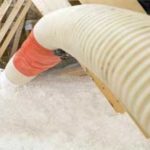
Blown-in insulation, also known as loose-fill insulation, is a method of installing insulation using a specialized machine that pneumatically blows the insulation material into place. This process allows the material to fill cavities, nooks, and crannies perfectly, creating a seamless thermal barrier that is incredibly effective at resisting heat flow.
There are two primary types of blown-in insulation materials:
- Cellulose: Made primarily from recycled paper (like newsprint) that has been treated with fire-retardant chemicals. It’s an eco-friendly option with a high R-value (a measure of thermal resistance) per inch and excellent resistance to air flow.
- Fiberglass: Composed of fine glass fibers. It’s non-combustible and doesn’t absorb moisture, making it a good option for certain climates and applications.
For most homes in Texas and Florida, cellulose is often the recommended choice due to its superior ability to slow air movement and its higher density, which provides better performance against intense radiant heat.
The Unbeatable Advantages of Blown-In Insulation
Why should you choose blown-in insulation over more traditional batt (or blanket) insulation? The benefits are clear, especially for homes in our regions.
Superior Coverage and Seamless Performance
The biggest drawback of batt insulation is the gaps. Even when installed perfectly, batts leave seams and cannot easily be fitted around obstructions like wiring, plumbing, and recessed lights. These gaps create air channels where heat can easily escape in the winter and infiltrate in the summer. Blown-in insulation, on the other hand, is installed as a monolithic blanket. It flows effortlessly around every pipe, wire, and truss, leaving no voids and creating a continuous barrier that batt insulation simply can’t match.
Maximized Energy Efficiency and Lower Bills
This seamless coverage translates directly into savings. According to the U.S. Department of Energy, proper attic insulation can reduce heating and cooling costs by an average of 15%. For a homeowner in Texas facing a $400 summer electric bill, that’s $60 back in your pocket every single month. Over a year, the savings can easily cover the cost of the insulation upgrade, making it one of the most cost-effective home improvements you can make.
Enhanced Comfort in Your Living Space
Do you have rooms that are always too hot or too cold? Inconsistent temperatures are a classic sign of poor insulation. By creating a uniform thermal envelope, blown-in insulation eliminates hot and cold spots, ensuring every room in your house stays comfortable. No more fighting over the thermostat or avoiding that sunroom in the afternoon.
Noise Reduction for a Quieter Home
An often-overlooked benefit of dense-packed cellulose blown-in insulation is its excellent sound-dampening qualities. The dense material absorbs sound waves, reducing noise transfer from outside (like traffic or neighbors) and between floors inside your home. This creates a more peaceful and serene living environment.
Air Sealing and Moisture Control
While not a substitute for a dedicated air seal, dense-pack cellulose insulation does a remarkable job of limiting air movement through the building envelope. This reduces drafts and helps control moisture levels by limiting the influx of humid outdoor air—a critical factor for Florida homeowners battling mold and mildew.
Is Your Home a Candidate for Blown-In Insulation?
How can you tell if your home needs an insulation upgrade? Look for these telltale signs:
- Sky-High Energy Bills: Are your cooling costs consistently higher than your neighbors’ or climbing year over year?
- Inconsistent Room Temperatures: A significant difference in temperature between your upstairs and downstairs is a major red flag.
- Drafty Rooms: Feeling drafts even when windows and doors are closed indicates air is leaking through your walls and ceilings.
- Ice Dams (in Texas Winters) or Rapid Snow Melt: This signals heat is escaping from your attic and melting snow on your roof.
- Old or Settled Insulation: If your current insulation is thin, matted down, or non-existent, it’s time for an upgrade.
The Professional Installation Process: What to Expect
A professional blown-in insulation installation is a precise, multi-step process designed for maximum effectiveness.
- Comprehensive Assessment: Our expert will inspect your attic to assess the current insulation levels, identify any air leaks, and check for moisture issues or pest damage.
- Air Sealing (The Critical First Step): Before a single bit of new insulation is blown in, a professional crew will perform air sealing. This involves sealing gaps around light fixtures, plumbing stacks, wiring holes, and along the attic floor and eaves with caulk and spray foam. This step is crucial; adding insulation without air sealing is like wearing a sweater with holes in it.
- Preparation and Protection: The crew will set up the blowing machine and hoses, and protect your home by ensuring attic access points are covered to prevent dust from entering your living space.
- The Blowing Process: Using the powerful hose, the technician will evenly distribute the insulation material throughout the attic space, achieving the target depth and R-value. They use calibrated tools to ensure consistent coverage in every square inch.
- Clean-Up and Final Walkthrough: The area is tidied, and the crew will review the completed work with you, ensuring you understand what was done and how it improves your home.
Why DIY Blown-In Insulation is a Risky Endeavor
While home improvement stores offer DIY blown-in insulation kits, this is one project best left to professionals. The rental machines are less powerful, making it difficult to achieve the proper density and consistency. Without the training and experience, a DIYer is likely to create thin spots, miss critical areas, or, just as problematically, block soffit vents, which are essential for proper attic ventilation and preventing moisture buildup. Professionals have the industrial-grade equipment and expertise to do the job right the first time, ensuring your investment pays off for years to come.
Blown-In Insulation for Texas and Florida Climates: A Localized Solution
The “right” insulation depends heavily on your climate.
For Texas Homes (Dallas, Fort Worth, Plano, and surrounding areas):
The primary battle in Texas is against intense radiant heat from the sun. The goal is to keep that heat from penetrating your living space. We recommend achieving a higher R-value, typically R-50 to R-60. This level of insulation acts as a powerful shield, reflecting the heat back outward and drastically reducing the workload on your air conditioner. For Texas homeowners, this means a more comfortable home and significant savings during those long, hot summers.
For Florida Homes (South Florida, Broward, and Palm Beach areas):
In Florida, the fight is two-fold: heat and humidity. While blocking heat is important, controlling moisture is equally critical to prevent mold growth. Proper attic ventilation paired with robust insulation is key. We typically recommend an R-value of R-38 to R-49 for Florida attics. The dense nature of blown-in cellulose also helps slow the movement of humid air, working in tandem with your ventilation system to keep your attic dry and your home healthy.
Investing in Your Home’s Future
The cost of blown-in insulation is an investment that pays for itself. The final price depends on the square footage of your attic and the desired R-value. However, when you factor in the immediate monthly savings on your energy bill, increased home comfort, and the boost to your property’s value, it’s one of the smartest financial decisions a homeowner can make. Plus, many states and utility companies offer rebates and incentives for energy-efficient upgrades, making it even more affordable.
Choose Cut My Kilowatts: Your Local Insulation Experts
When you choose Cut My Kilowatts, you’re not just hiring an insulation contractor—you’re partnering with a team that understands the unique building science of homes in your specific region. We don’t believe in one-size-fits-all solutions. We provide a detailed assessment, transparent pricing, and flawless execution backed by our satisfaction guarantee.
We are proud to serve homeowners across two states, providing tailored solutions for the distinct climates of Texas and Florida.
Ready to Stop Overpaying on Your Energy Bills and Start Living in a More Comfortable Home?
The team at Cut My Kilowatts is ready to transform your attic into a powerful energy-saving asset. Whether you’re battling the intense Texas heat or the pervasive Florida humidity, our blown-in insulation solutions are designed for your home and your climate.
Schedule your free, no-obligation insulation assessment today!
For Texas homeowners in Dallas, Fort Worth, and surrounding areas:
Call us at 469-446-1111
For Florida homeowners in South Florida, Broward, and Palm Beach areas:
Call us at 954-939-1500
Don’t let another day of compromised comfort and high energy bills go by. Contact Cut My Kilowatts now and discover the difference a professionally installed blown-in insulation system can make.